
Cross-Selling in Retail: Double Your Profits the Smart Way
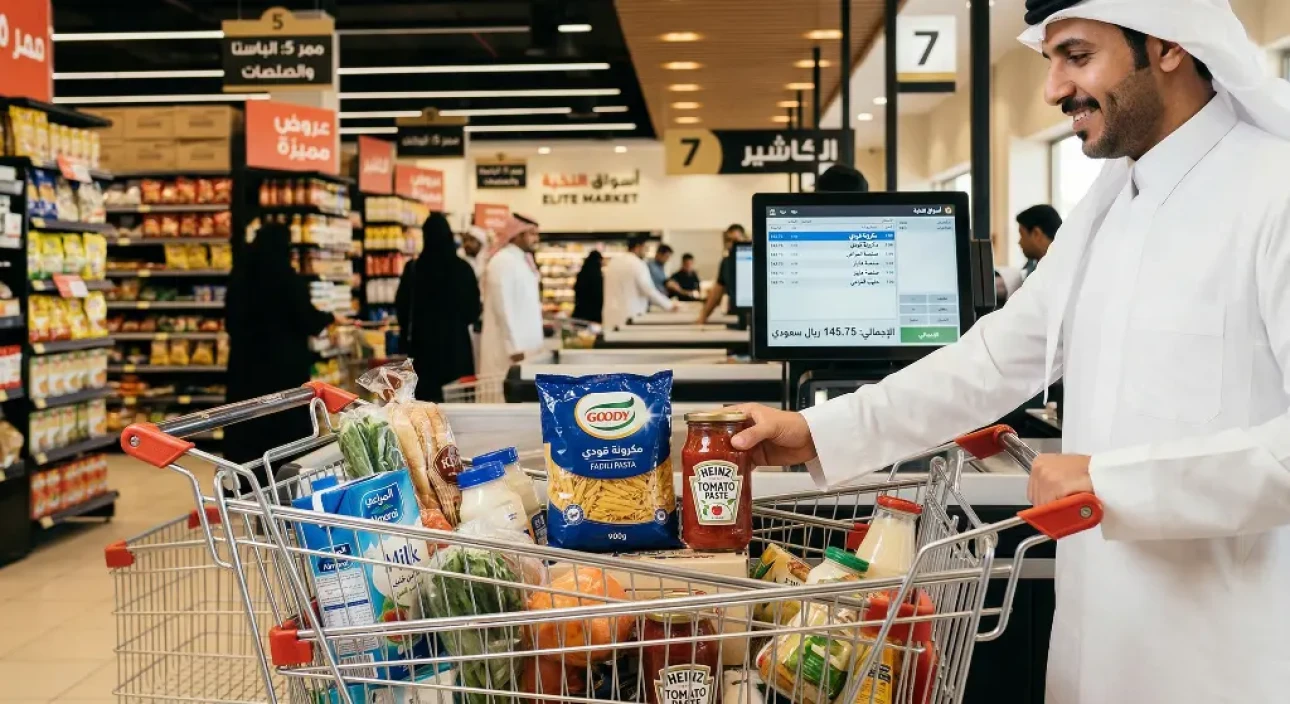
In retail, business owners spend thousands of riyals and enormous effort on marketing and promotions to get a new customer to walk into their supermarket. But what is the biggest mistake most merchants make? Letting that customer leave after buying just one product! This is where cross-selling stands out as a magic strategy that doesn't cost you a single riyal in marketing, yet can revolutionize your cash flow.
If you're looking for the smartest way to increase sales without needing more visitors, focusing on raising the average order value (AOV) is the ideal solution. In this complete guide, we reveal the cross-selling secrets used by the world's biggest retail chains, and how you can apply them easily and flexibly with cashier software for supermarkets to maximize your net profits.
What is cross-selling, and how is it different from upselling?
To understand the power of this strategy, we need to clearly distinguish between two key sales terms, both of which are strongly supported by any advanced POS system:
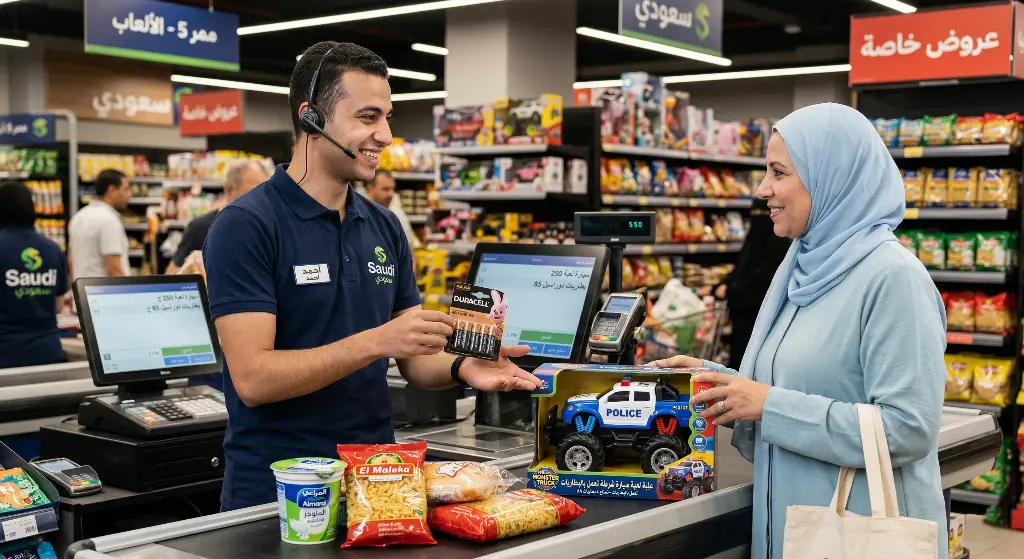
- Cross-selling: persuading the customer to buy "complementary" or related products alongside the main product they came for. The classic example: a customer buys a pack of tea, and the cashier or the shelf layout suggests sugar or evaporated milk. The result: the customer buys two products instead of one, and the average order value goes up.
- Upselling: persuading the customer to buy a "more expensive or larger" version of the same product they intend to buy. Example: a customer asks for a small pack of coffee for SAR 15, and the seller offers the large pack for SAR 25 because it's "better value."
Both strategies aim to increase sales, but cross-selling in supermarkets and grocery stores is easier to apply and has a better psychological effect on the customer, because they feel you're reminding them of something they would have forgotten (like forgetting charcoal when buying meat for a barbecue).
Why is cross-selling the secret weapon for retail growth?
Relying on cross-selling isn't just a sales trick; it's a management strategy with a direct impact on the reports in your supermarket cashier software, for the following reasons:
- Higher profit margins without marketing costs: You don't pay for ads to persuade the customer to buy the complementary product; they're already in your store with their wallet open. Every extra riyal the customer pays here directly increases your net profit. Read also: Best Retail Product Pricing Strategies to Boost Profits.
- Clearing dead stock: The best way to get rid of slow-moving products or those nearing their expiry date is to pair them as a complementary product with a fast-moving best seller.
- A better customer experience: Customers appreciate a store that meets all their needs in one place (a one-stop shop). Placing related products next to each other makes shopping easier and saves them time.
5 practical tactics for cross-selling in supermarkets
To apply this strategy successfully, you need to combine customer psychology with the capabilities of your POS system.
Here are the 5 most powerful tactics:
1. Make the most of the checkout area (impulse buying)
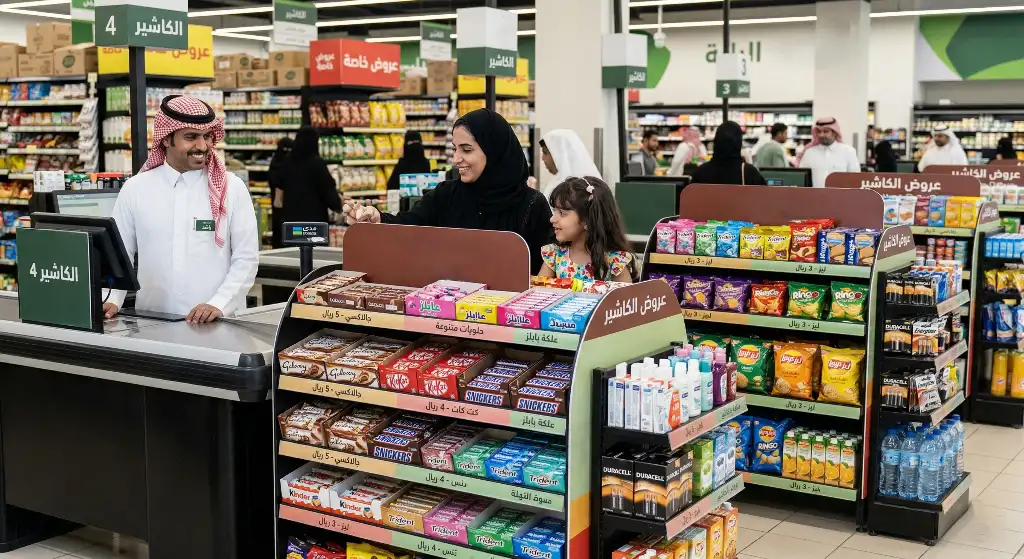
The checkout area is the gold mine of cross-selling. While customers stand in line or wait for their receipt to print, their minds are primed for unplanned purchases (impulse buying).
- How to apply it: Stock the shelves around the checkout with small, inexpensive, tempting products (such as gum, chocolate, phone top-up cards, batteries and small children's toys). This simple addition can raise the average order value by 5% to 15%.
2. Smart shelf planning (cross-merchandising)
Don't arrange your supermarket products by "department" alone; arrange them according to customer needs.
- How to apply it: Instead of putting tomato sauce in the canned goods aisle and pasta in the starches aisle, create a special display that brings them together. Put charcoal next to barbecue tools and frozen meat. Put rusks and biscuits next to the tea and coffee section. This visual arrangement instantly reminds customers of what they need and nudges them to pick up related products.
3. Smart product bundling
Use offers to encourage cross-selling. When customers see that buying the products separately would cost SAR 50, while buying them as a bundle costs SAR 45, they feel they've won and buy right away. (Note: To make sure your offers succeed, check that your cashier software can correctly deduct the bundle's components from inventory to prevent shortages. Read more in: Smart supplier and purchasing management to cut costs.)
4. Train your cashiers to make tactful suggestions
A cashier isn't just a "data entry clerk"; they are the last line of defense for sales.
- How to apply it: Train your staff to read the contents of a customer's basket quickly. If the cashier sees a customer buying razor blades, they can ask with a smile: "Did you get shaving cream too, sir? We have a great offer on it today." The suggestion should be natural, tactful and related to what the customer is buying, so it doesn't annoy them.
5. Loyalty programs and discount apps
Use the customer data recorded in your POS system to make personalized cross-selling offers. If a customer regularly buys cat food, the system can send them an SMS with a special discount on cat litter, which brings them back to your store and increases their spending.
How does Kashierapp turn you into a cross-selling expert?
Strategies on paper aren't enough; you need technology that can execute and monitor them. Kashierapp, the best cashier software for supermarkets in Saudi Arabia, is your effective tool for turning ideas to increase sales into real numbers in your bank account.
How does Kashierapp support your sales strategies?
- Create bundles easily: The system (on the Plus and Pro plans) lets you combine several products under a single barcode with a specific promotional offer. When the cashier scans that barcode, the system automatically deducts the correct quantity of each product from inventory, preventing stocktaking chaos.
-
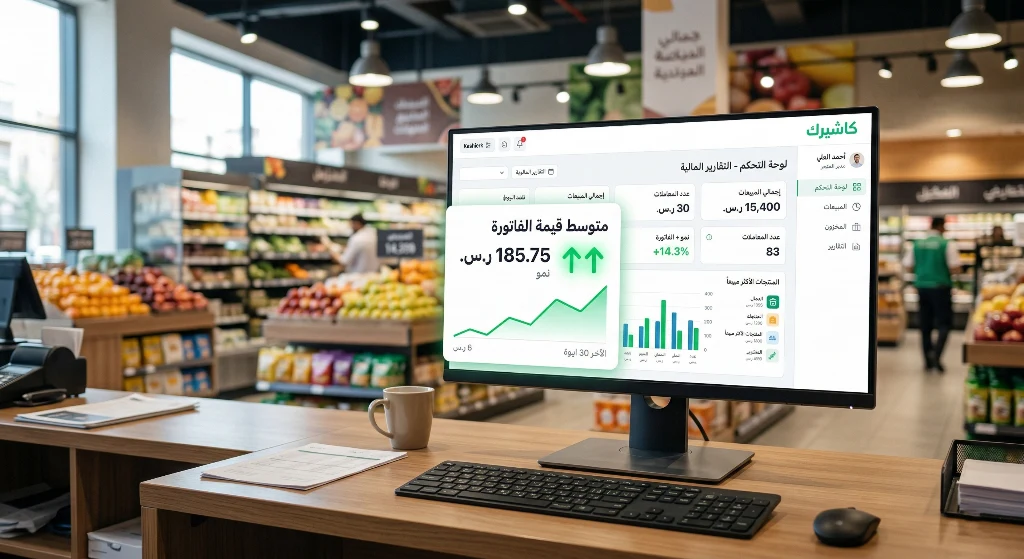
Average order value (AOV) analysis: With one click, Kashierapp reports give you clear insight into how much each customer spends on average. You can monitor this figure daily to see whether the cross-selling tactics you're using are paying off or need adjusting.
- Customer loyalty programs: The system is equipped to create and manage loyalty points and coupons, encouraging customers to buy more on each visit to earn rewards or discounts.
- Fast impulse-buy checkout: Thanks to full compatibility with the fastest barcode scanners, Kashierapp adds impulse products at the checkout in fractions of a second without holding up the line.
Conclusion
Cross-selling isn't just a technique for selling more goods; it's the art of offering the customer "added value" and reminding them of what they really need before they leave your store. With smart shelf layouts, clever use of the checkout area and a well-trained team, you can turn every simple purchase into a hefty receipt that boosts your revenue.
But remember: you can't apply and manage these tactics without a POS system that gives you flexibility and accuracy. Don't let your profits leak away just because you don't have a system that supports your offers. Invest now in technology that works for you. Explore Kashierapp plans and pricing, and discover how the best cashier software for supermarkets can be your number one partner in multiplying your profits and growing your business professionally.
Frequently asked questions about cross-selling and increasing sales
Which metric shows whether my cross-selling strategy is working?
The most important metric is average order value (AOV). You calculate it by dividing your total daily revenue by the number of invoices issued. If this number rises after you introduce bundle offers, your strategy is working well. Kashierapp calculates and displays this metric automatically on your dashboard.
Does cross-selling annoy customers and stop them from coming back?
Quite the opposite, if it's done right! Customers get annoyed by pushy attempts to sell them something they don't need. Smart cross-selling, on the other hand, suggests related products (like batteries with toys), which customers see as a service that saves them another trip to the supermarket.
Can a cashier system handle offers like "buy one, get the second at half price"?
Yes, easily. Advanced cloud systems such as Kashierapp, the cashier software for supermarkets, let you set up flexible, custom pricing rules. When the cashier scans the products, the system applies the discount to the second item automatically, without manual intervention, to ensure accuracy.
I run into stock shortages when I combine several products into one offer. What's the solution?
The problem lies in using a traditional cashier that isn't linked to the warehouse. Kashierapp solves this with its recipe (bundling) feature: the system understands that the offer's barcode (a Ramadan basket, for example) is made up of rice, oil and sugar. When the basket is sold, it deducts the individual components from inventory with complete accuracy to keep your stock counts correct and reduce shortages.
.webp)
The Retail Sector in Saudi Arabia and How It Is Developing
The retail sector in Saudi ArabiaSaudi Arabia is one of the largest commercial markets in the world, and its retail...
Read the article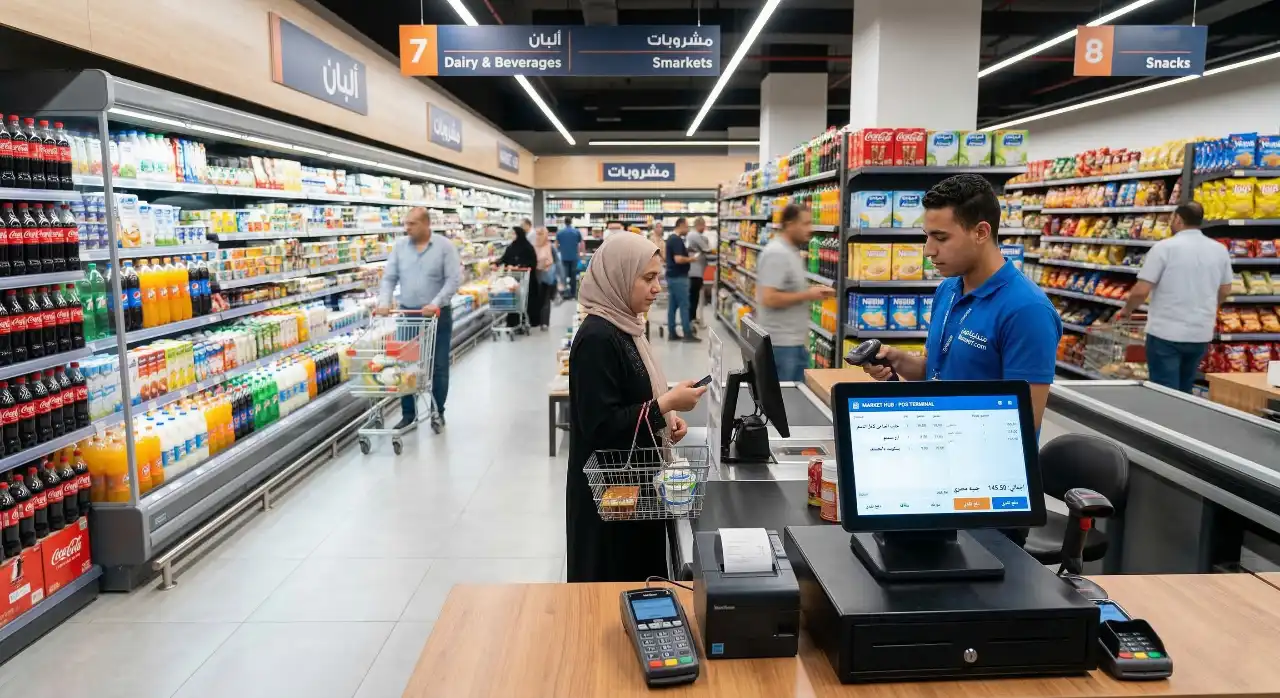
Supermarket and Grocery Store Management: Complete 2026 Guide
Saudi Arabia's retail sector, and the ways it is developing, are seeing an unprecedented boom and radical changes in consumer...
Read the article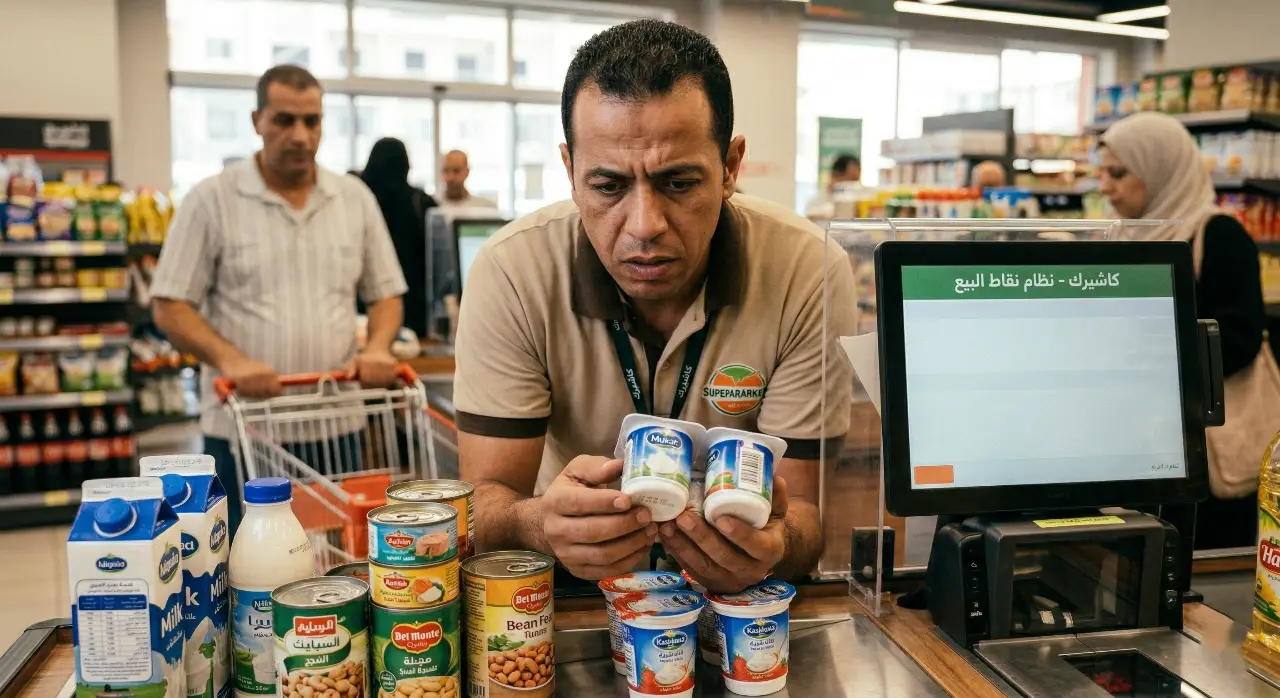
Avoid Expiration Date Losses in Your Store with a POS System
In the competitive world of retail, and especially in running supermarkets and grocery stores, inventory is your real capital and...
Read the article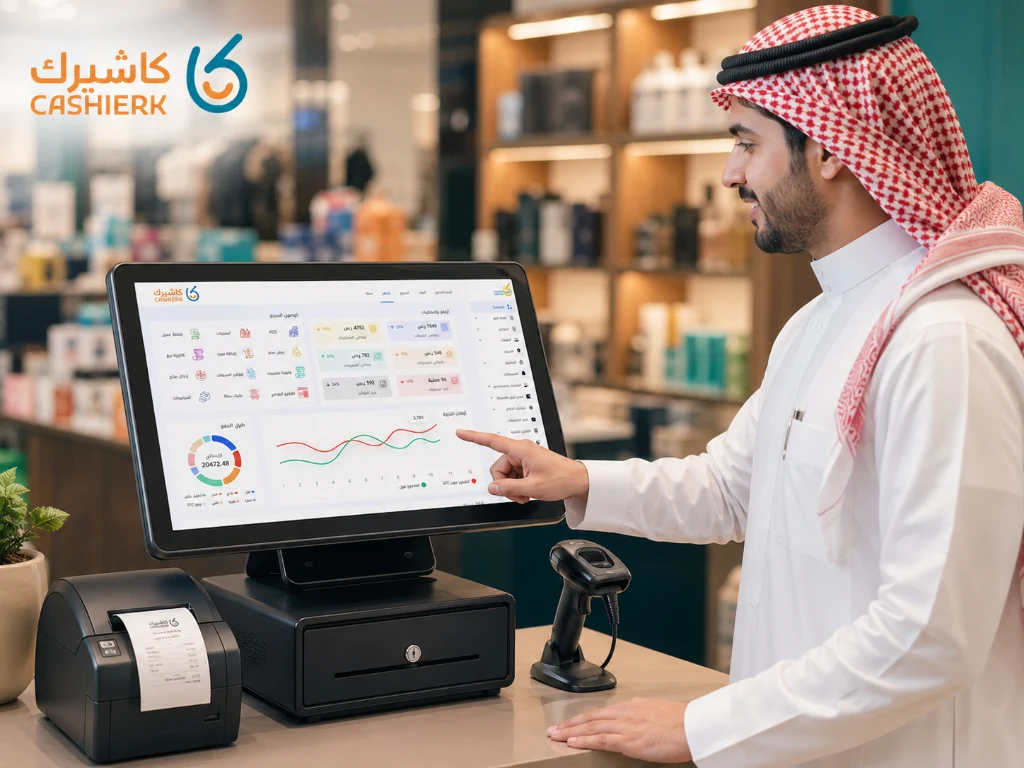
Best Cashier Software for Small and Medium Shops in Saudi Arabia
Running a small or medium-sized shop in Saudi Arabia no longer depends only on sales skills or product quality. Today,...
Read the article Riyadh - King Fahd Road - Al Yamamah Tower, 1st Floor - Office 102

