
-large_thumb.webp)
POS and Online Store Integration: 8 Benefits That Boost Profit
As digital commerce accelerates, selling is no longer tied to a single "place," whether that's a physical shop or a website. Today's customers expect a seamless, connected experience, known as omnichannel commerce.
If you run your physical store on one system and your online store on another, you're wasting valuable time and risking lost customers because of conflicting data. The solution top retailers use to close this gap is integrating their cashier software (POS) with their online store.
In this guide, we show you how this technical integration can turn management chaos into an accurate, centralized system that multiplies your sales and gives you peace of mind.
1. Real-time inventory sync: goodbye to sudden "out of stock" problems
Inventory management is the biggest nightmare for merchants who sell online and offline at the same time. Imagine a customer orders a product on your website, only for you to discover it was sold in the branch a few minutes earlier! Situations like this damage your reputation and lead to canceled orders.
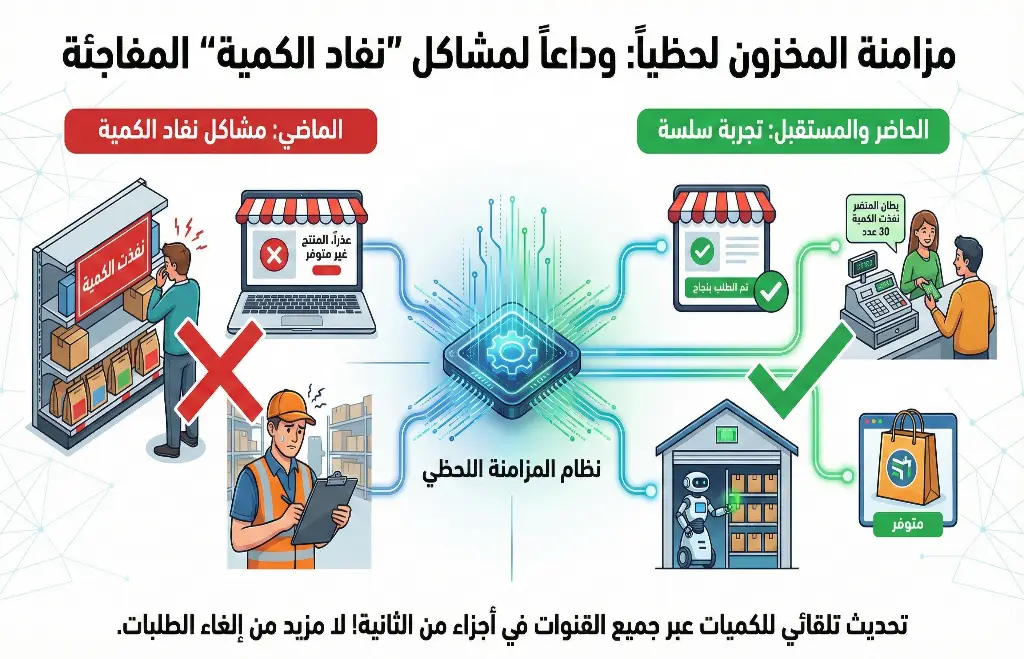
What happens when you integrate?
Real-time sync: As soon as an item is sold in the branch, the quantity is automatically deducted on the website, and vice versa.
Pinpoint accuracy: The system stops out-of-stock products from being shown to customers, which reduces order cancellations.
Smart allocation: You can see the stock available in each branch and route online orders to the branch closest to the customer, reducing shipping costs.
Less waste: Tracking the movement of every item accurately prevents theft and loss.
The result: one inventory, multiple platforms and up to 100% accuracy.
2. Unified prices and offers: one click is all it takes
Do you struggle with entering and editing prices manually in the cashier, then repeating the same process on the website? This double effort takes a lot of time and increases the risk of human error.
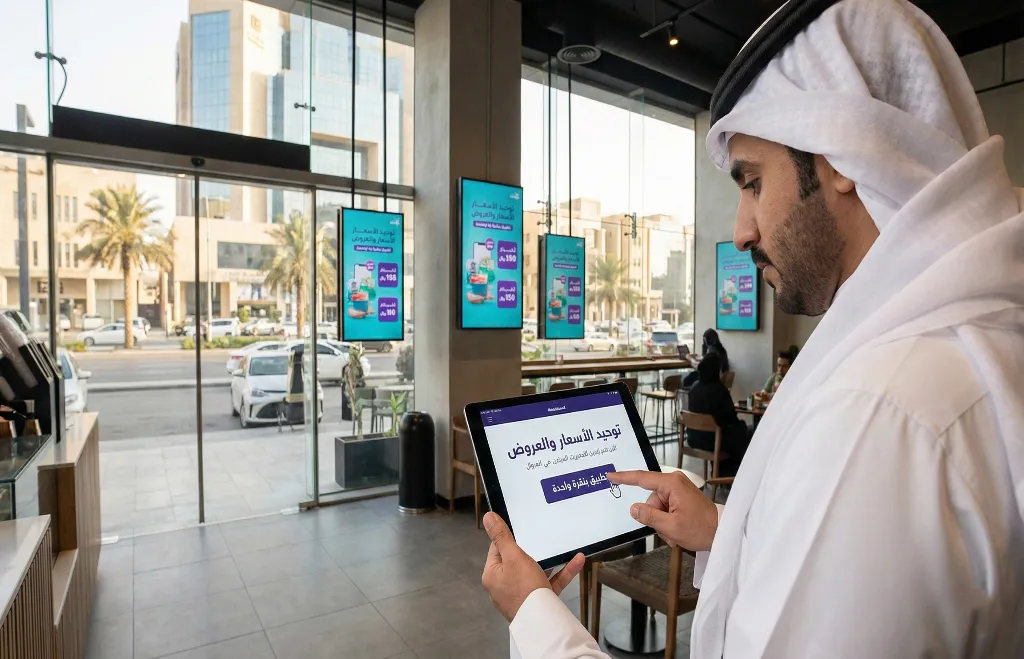
How does integration solve this problem?
Central pricing: Change a product's price once, and it updates instantly in the cashier, on the website and in the app.
Synchronized flash sales: Launch a discount campaign in-store and online in the same second to maximize its impact.
Flexible discount codes: Let your customers use the same promo code whether they visit your shop or buy on their phones.
3. A unified customer profile: understand your customers in depth
Scattered data is worthless. When you integrate your systems, you build a central database known as the "unified customer profile".
Why does this matter for your profits?
A 360-degree view: Get to know customers who buy online and also visit the branch, and understand their preferences and buying behavior.
Personalized recommendations: Offer customers deals that match their taste based on their past purchases from both channels.
An effective loyalty program: Let customers earn points on website purchases and redeem them in the branch (or vice versa), strengthening their loyalty to your brand.
Outstanding support: Support staff can see the customer's full history, making it easier to solve problems quickly.
4. A complete dashboard: decisions based on facts, not guesswork
Instead of jumping between website reports and cashier reports and trying to combine them manually in Excel, integration gives you a unified dashboard.
What will these reports reveal?
Total sales: Net income from all channels in a single report.
Product performance: Which products sell best online and which are stagnant in the branch? (This helps you make promotion decisions.)
Customer behavior: Who are your highest-spending customers? What is the average basket size?
Financial analysis: Accurate tax and profitability reports that cover every riyal coming into or going out of your business.
5. Order automation: speed makes the difference
In e-commerce, speed is currency. A manual process (receive an email -> enter it in the cashier -> send it to the warehouse) is slow and error-prone.
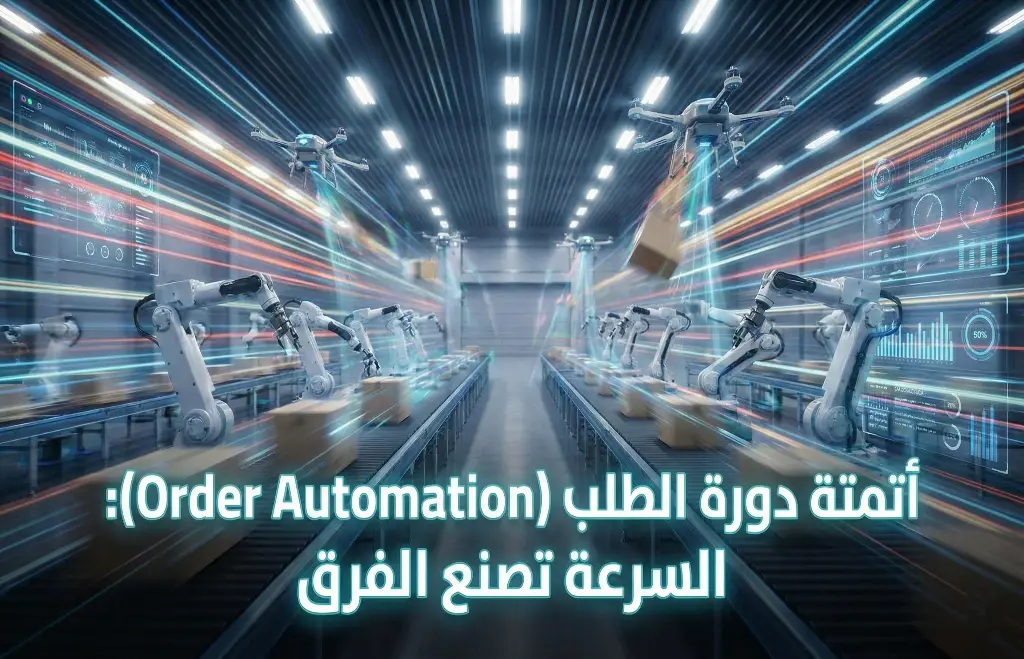
The scenario after integration:
The customer orders on the website.
The order appears instantly on the cashier screen or in the kitchen/warehouse system.
The stock is reserved automatically.
The order status changes (being prepared -> ready to ship) and the customer is updated with automatic messages.
The benefit: Order preparation time drops significantly, which raises customer satisfaction and lowers operating costs.
6. Fewer costly human errors
Manual errors aren't just an annoyance; they are a direct financial cost (return costs, wrong shipments, lost goods).
Integration eliminates:
Manual data entry errors.
Stocktaking and pricing errors.
Forgetting to update order statuses.
Accidentally duplicated orders.
Studies indicate that stores using connected systems reduce their operational errors by more than 90%.
7. A true omnichannel experience
Customers don't care about your technical challenges; they care only about their experience. Integration lets you offer advanced services such as:
Buy online, pick up in store (BOPIS): A service that increases branch sales, because customers may buy more when they collect their order.
In-store returns: Let customers easily return a product bought on the website at their nearest branch.
Unified payment methods: and easier refunds.
8. Flexibility and scalability
Are you planning to open new branches or expand into other regions? A central system that integrates your cashier with your website makes expansion a "copy and paste" process. You can add a new branch or warehouse and connect it to the system right away, without rebuilding your infrastructure from scratch.
Conclusion: are you ready for the next step?
Integrating your cashier software with your online store is no longer a technical luxury; it is the backbone of successful commerce today. It's the investment that turns your store from a simple "shop" into an organized, smart business that's ready to grow.
Get started now with Kashierapp to unify your operations, and watch your sales numbers grow.

What Is a Cashier System? Types, Benefits and Kashierapp's Role
In modern commerce, a cashier system is no longer just a way to collect payments or print receipts; it has...
Read the article
What Is Kashierapp? Cloud Cashier Software and Its Key Features
Kashierapp cashier softwareCashier software (a point of sale (POS) system ) is one of the essential tools for managing sales...
Read the article
What Is Kashierapp? A Guide to POS and Cloud Point of Sale
A cashier system is no longer just a device for taking payments or printing receipts in a shop. Today, the...
Read the article
Best Cashier Software in Saudi Arabia: Sales, Stock, E-Invoices
Choosing the best cashier software in Saudi Arabia is no longer a simple decision about how fast you can issue...
Read the article
The Best Cloud Cashier Software in Saudi Arabia
With technology evolving so rapidly, traditional ways of running stores and businesses no longer work. Relying on technology has become...
Read the article.webp)
Integrated Accounting Software for Saudi Businesses
Key highlightsIntegrated accounting software that meets the needs of Saudi companiesA look at the main advantages of accounting softwareThe core...
Read the article Riyadh - King Fahd Road - Al Yamamah Tower, 1st Floor - Office 102

