
How to Increase Table Turnover and Boost Your Café's Profits
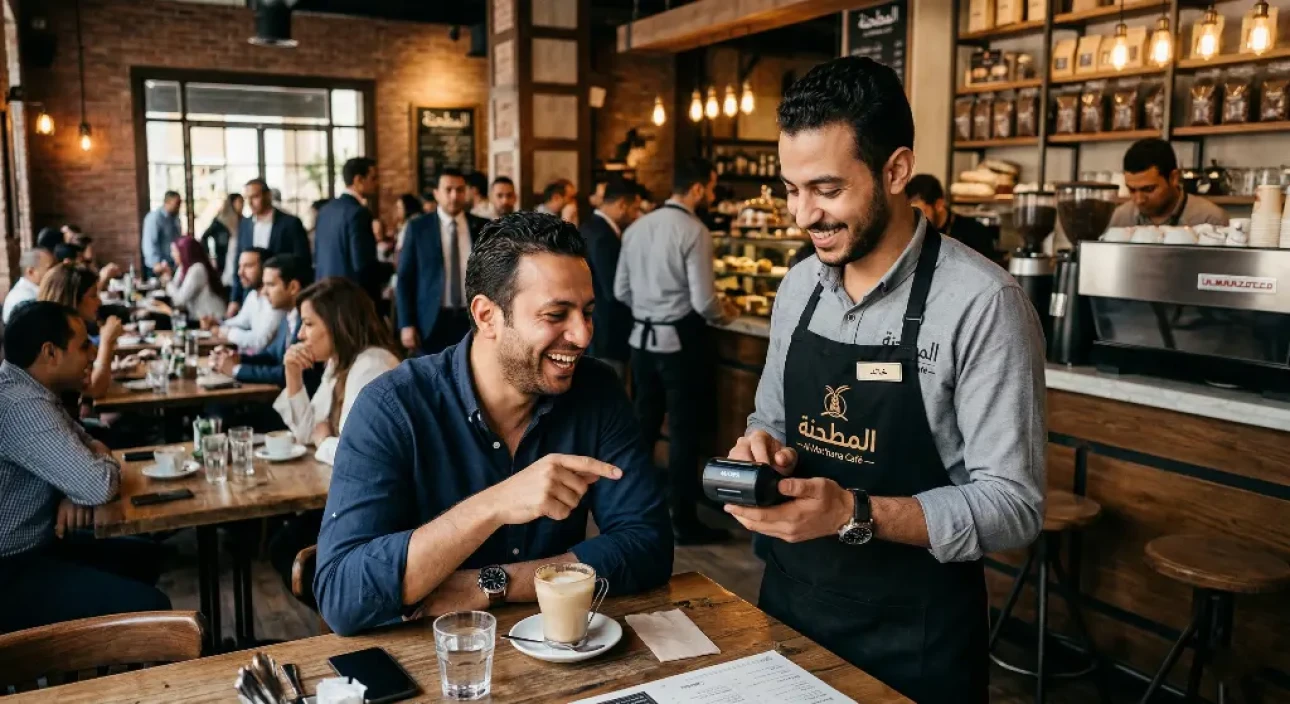
Picture this familiar weekend scene: your café is completely full, the place is buzzing with customers' laughter, and there's a line waiting outside. At first glance, it looks like a huge success! But when you review your sales reports at the end of the day, you find that your profits don't come close to matching the crowds. What's going wrong?
The answer lies in a trap many café and restaurant owners in Saudi Arabia fall into: customers who sit for a long time with small orders. This is where the magic metric of hospitality success comes in: the table turnover rate.
Managing a dining room isn't just about filling seats; it's about serving as many customers as possible during peak hours without compromising the quality of the experience. In this guide, we reveal the secrets of increasing your table turnover the smart way, and how a restaurant POS system can be your number one assistant in turning waiting lines into multiplied revenue.
What is the table turnover rate, and why is it the secret to café profits?
In short, the table turnover rate is the number of times a given table is used (occupied and then vacated) by different groups of customers within a specific period (usually a shift or peak hours).
Why should you track this number every day? In cafés especially, the "camper" who sits for three hours over a single cup of coffee (SAR 15) is a silent loss of potential revenue. The more you can reduce how long customers stay, in a tactful, professional way that doesn't bother them, the more chances you have to welcome new customers, which directly increases café profits. And just as we discussed the importance of how to calculate food cost and reduce waste in your restaurant for controlling expenses in our previous article, table turnover is the main engine for increasing sales.
4 practical strategies to increase table turnover without annoying customers
Increasing table turnover doesn't mean throwing customers out! It means improving operational efficiency to cut the dead time lost waiting for the menu, the order or the bill.
Here's how to do it smartly:
1. Menu engineering and technology
Paper menus slow down ordering. Switching to a digital menu (QR menu) lets customers sit down, browse the items and choose their order right away without waiting for a server. On top of that, designing the menu smartly to highlight quick-to-prepare dishes and drinks eases the pressure on the barista and the kitchen, which speeds up service.
2. Rearrange your seating layout
Watch your café floor: do you notice two people sitting at a table for four? That's wasted space! Provide small tables (for two) that can be combined when needed. Also, use chairs that are comfortable but not "too comfortable" (like deep sofas), which encourage customers to doze off or spend hours working on their laptops during peak times.
3. Speed up communication between the floor and the kitchen
The time a server spends walking from the table to the cashier to enter the order, and then carrying the ticket to the kitchen, is wasted time. Sending orders straight from the table to kitchen display screens (KDS) saves precious minutes, which means orders are served faster and tables are freed up faster.
4. A super-fast payment process
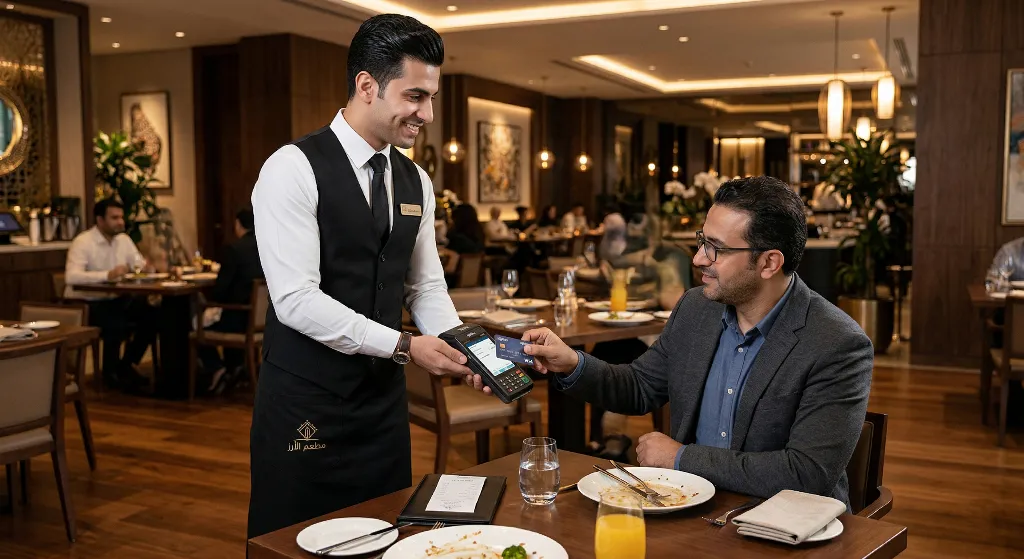
The worst thing a customer (and you as a manager) can face is waiting for the bill. Presenting the bill as soon as it's requested and offering multiple, portable payment options right at the table ends the customer's experience quickly and on a positive note.

How does Kashierapp make your restaurant tables work like a beehive?
The strategies above require a strong technical infrastructure that connects every part of the restaurant. This is where Kashierapp, the best cloud cashier software in Saudi Arabia, steps in to speed up the pace of work like never before.
Here's how Kashierapp for cafés supports your plan to increase turnover:
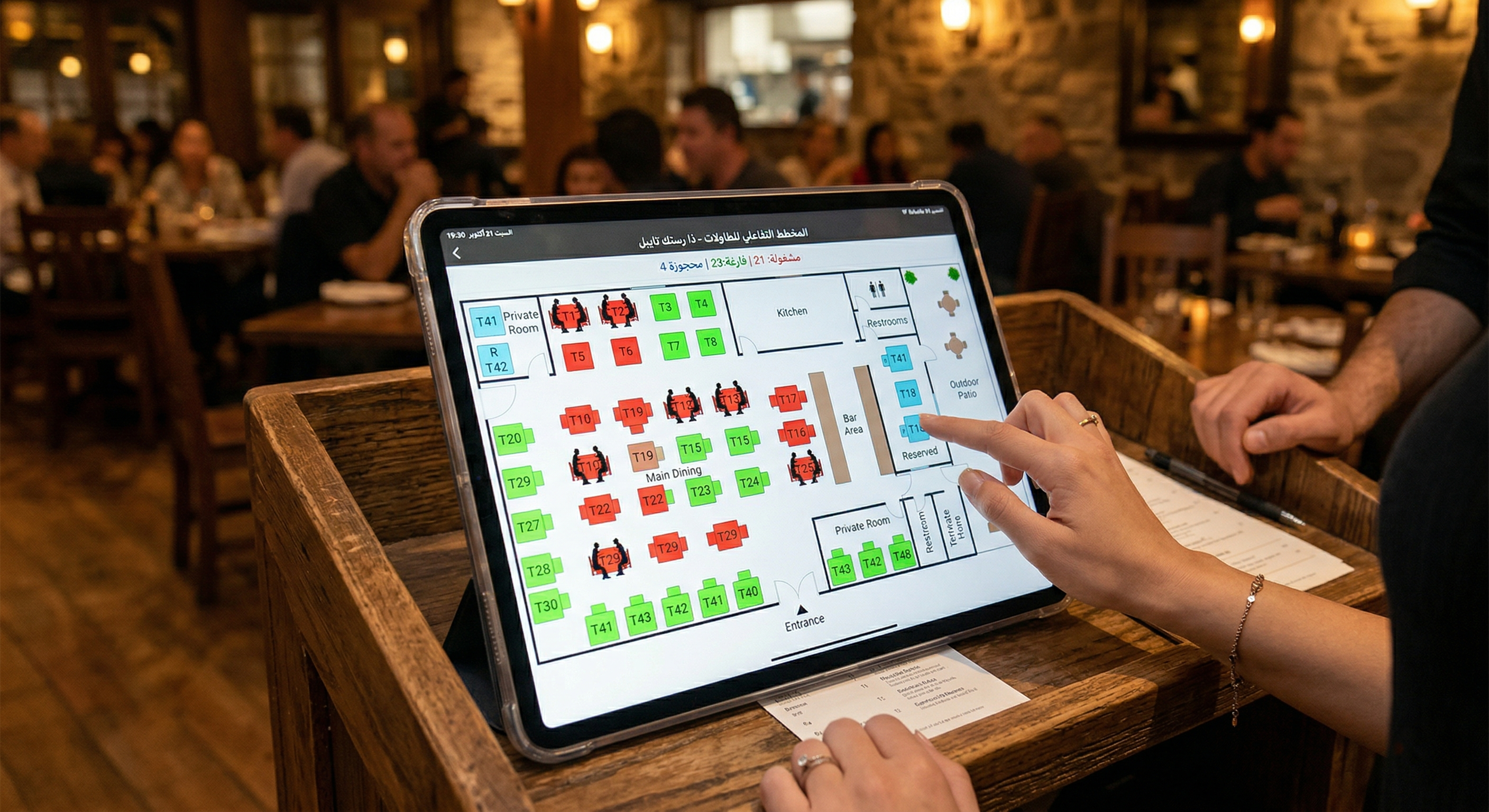
Interactive floor plan: The cashier screen shows a live map of the dining room. At a glance, servers can see which tables are empty, which are waiting to order and which have asked for the bill, eliminating confusion and disorganization.
Mobile ordering (mobile POS): Your team can take orders and payments right at the table on tablets connected to the system, and the order is sent instantly to the preparation area.
-
Complex payments made easy: Does a group of 5 friends want to pay separately (split bill)? With Kashierapp, the bill is split and paid in just a few seconds, which prevents crowding at the cashier and frees the table faster for the next group.
Conclusion
During peak hours, every minute a table sits empty or a customer waits for the bill is money lost. A high table turnover rate is the direct result of fast, organized and flexible service.
Don't leave your dining room management to personal judgment. Give your team the tools that make them faster and more efficient. Discover how our system can completely change the way you work by talking to our experts to choose the right Kashierapp plan for your restaurant, and start multiplying your profits today.
Frequently asked questions about table turnover
Q: How can I calculate my café's table turnover rate accurately?
A: You can calculate it with a simple formula: (total number of groups served ÷ total number of available tables) over a given period. For example, if you served 40 groups and have 10 tables during the evening shift, your turnover rate is 4 (meaning each table hosted 4 groups). Advanced cashier systems like Kashierapp calculate these figures for you automatically in their reports.
Q: What's the solution for the "camper" who works on a laptop for hours?
A: You can adopt tactful policies, such as reserving certain tables just for laptop users (away from the café's front), or turning off the free Wi-Fi or making it available for only one hour with a purchase. You can also have your server offer a small complimentary treat (like a glass of water) or politely ask whether they'd like to order anything else after a long while.
Q: Does a digital menu eliminate the role of the waiter?
A: Not at all! A digital menu only speeds up choosing. The server's role shifts from "order taker" to "hospitality advisor," freeing them to welcome customers, recommend signature dishes (upselling) and provide faster service, which has a positive effect on restaurant table management and customer reviews.
.webp)
Digital Menus for Restaurants and Cafés: Benefits and Tips
Contents:1 - What is a digital menu and why does it matter?2 - How to create an effective digital menu...
Read the article Riyadh - King Fahd Road - Al Yamamah Tower, 1st Floor - Office 102

